The cushion you laid on the line
When the line holds a sit
When they sit the bare jamb instead
A pad that faces only one room
Watch one crossing before you add a second pad
Keep the angle, move the cloth
You set a cushion on the threshold so the cat has a soft place between the two rooms. The pad is clean. The line looks finished. The cat still sits on the bare wood of the jamb, half in one room and half in the other.
The cushion looks like the missing nest. It fails when softness was never the missing piece. They came to see both rooms without committing to either floor. A pad that sits inside one room, or that blocks the gap, is a different square.
The cushion you laid on the line
An indoor cat does not pick a doorway because a cushion is there. The cat picks the line because one ear can take the kitchen and the other can take the hall. The body stays thin on that line. A thick pad can raise the sit. It can also push the body off the line and into one room.
Stand where you placed the cloth. If you now see only one room, the cat lost the other room. That is the first thing to fix, before you look for a thicker pad. A doorway sit is a watch, not a bed. Treat the cloth as a thin marker on that watch, not as a second nest competing with the chair.
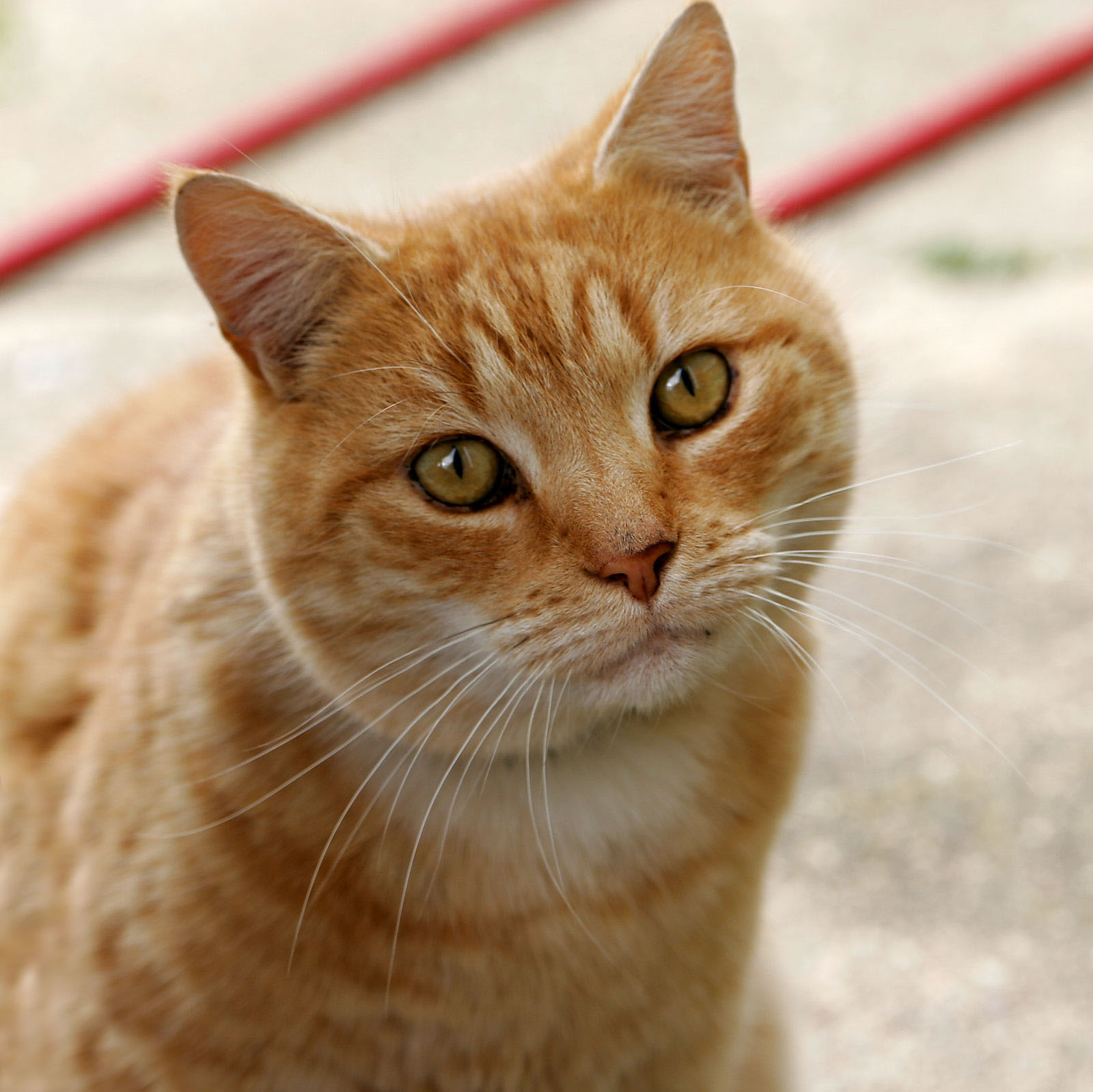
When the line holds a sit
The cushion holds when it is thin enough to keep the spine on the actual threshold, and wide enough that both hips fit without spilling into the walk. The opening of the pad faces neither room fully. From that sit the cat can watch a person leave one room and enter the other without turning the whole body.
On that hour the bare jamb can stay empty. The cloth and the line were the same place. You did not need a second cushion in the hall.
When they sit the bare jamb instead
The same cushion fails when it is so thick that the cat must climb onto an island. The line disappears under stuffing. The cat returns to the hard wood because the wood is still the line. Softness off the line will lose to hard wood on the line every time.
It also fails when the pad slides a foot into one room. From above the threshold still looks dressed. From the sit, one doorway is gone. Slide the cloth back until a paw on the pad can still touch both floors. If that is impossible, the pad is too big for this gap.
A pad that faces only one room
A round nest on a threshold usually faces one way. The hood or the high rim cuts the second room. The cat will use that nest at night and abandon it while the house is moving. An open flat runner, short enough to stay on the line, keeps both views.
Do not block the gap with a wide rectangle meant for a hallway. The walk still has to exist. The cat wants the edge of the walk, not a mattress in the walk. Leave a clear footpath beside the pad so people do not kick the nest off the line every pass.
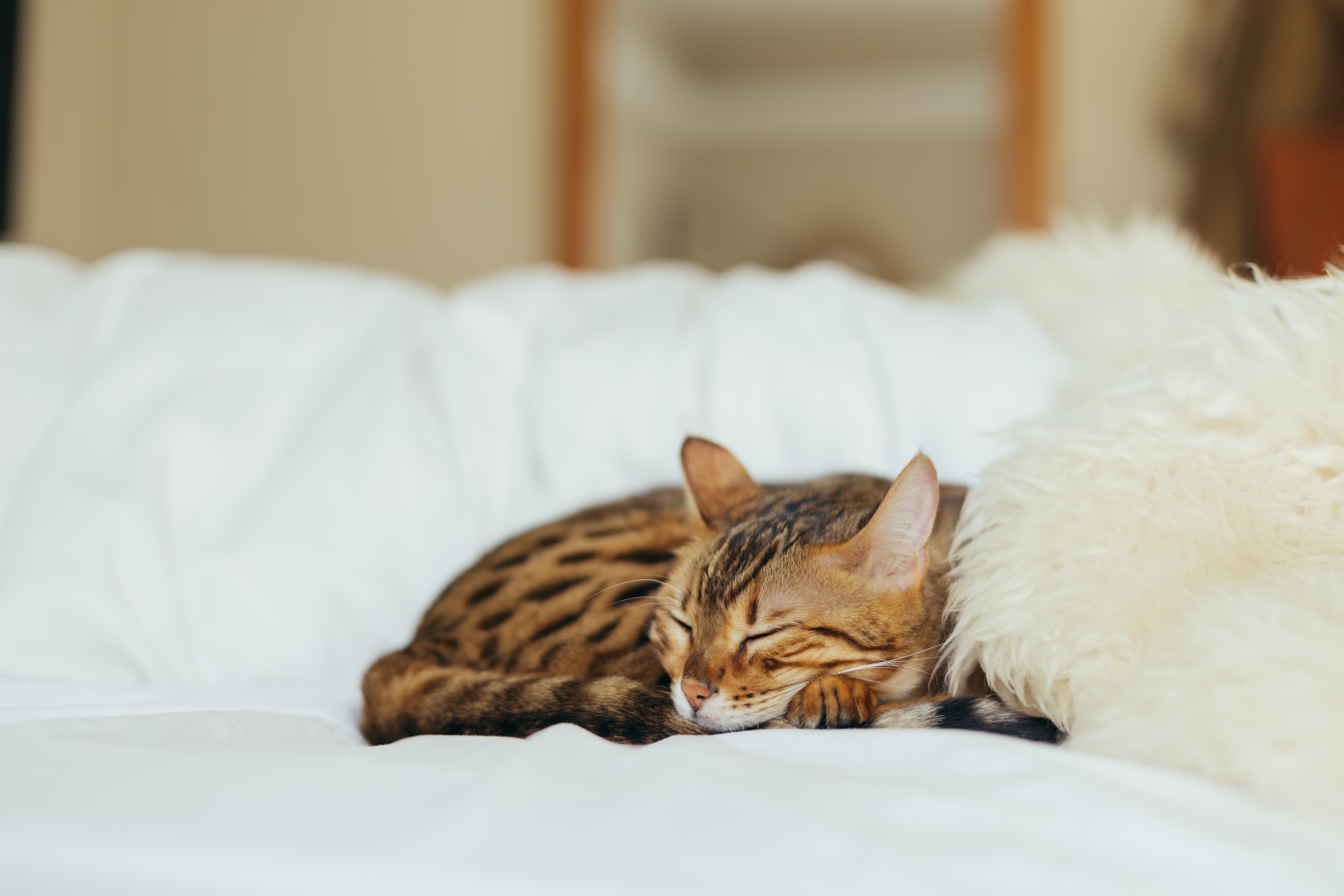
Watch one crossing before you add a second pad
Leave the cushion where it is for the next busy hour. Do not add one in the other doorway. See where the first long sit lands.
If the sit is on the pad and the head tracks both rooms, stop. If the sit is on the bare jamb beside the pad, the cloth is too high or too far into one room. Flatten it or pull it back onto the wood. If the sit is inside a room on a chair, this threshold is not a watch post today. Leave the pad and do not chase the cat with more cloth.
Keep the angle, move the cloth
A cat on the bare jamb after you dressed the threshold means the line was the nest and the cushion missed the line. Keep a thin runner on the actual wood. Keep both rooms in view. Keep the walk open beside it.
When the cloth and the jamb are the same strip, the doorway can stay a watch post without another pad in the hall. The chair can keep the long sleeps. This line only has to hold the watch.
Comments
Post a Comment